

Key Takeaways
Security deposit limits depend on lease length, and deposits must be properly held or bonded.
A late fee can apply once monthly rent is five calendar days or more late, capped at the greater of $15 or 5% of rent.
Only a court can remove a tenant, so landlords should never use lockouts or utility shutoffs.
Military owners and tenants should understand early lease termination rights under federal and state law.
North Carolina landlord tenant law governs every step of a rental, from signing the lease to returning the deposit. Owners who live out of state or left Fayetteville on PCS orders still answer to those rules for a home in Cumberland County.
Ace Property Management manages rentals around Fort Liberty (Fort Bragg), and Amy Reynolds, our broker in charge, has been licensed in North Carolina since 2007. This is general information, not legal advice. Ask an attorney about your specific situation.
Why North Carolina Rental Laws Matter for Out-of-Area Owners
Distance doesn't change an owner's responsibilities. If a tenant in Hope Mills reports a broken furnace, the owner remains responsible whether they're in Texas or Germany.
Military rentals add another consideration. Qualifying servicemembers may terminate a lease early under the federal Servicemembers Civil Relief Act (SCRA), while North Carolina law also provides protections in certain military situations.
Lease Requirements and Required Disclosures
North Carolina doesn't require every tenancy to have a written lease, but putting the terms in writing helps both sides understand their responsibilities.
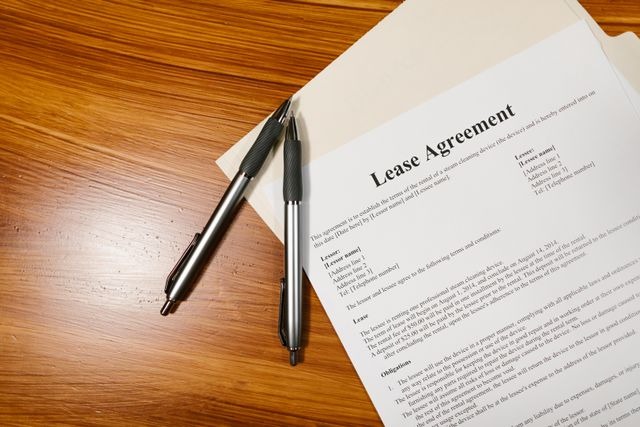
Ace generally uses a written lease with a minimum one-year term unless the owner directs otherwise.
Common requirements include:
Lead-based paint: Federal disclosure requirements apply to most homes built before 1978.
Deposit location: Tenants must generally be told where their security deposit is held within 30 days.
Smoke and carbon monoxide alarms: Landlords must provide required smoke alarms. Carbon monoxide alarms are required in covered properties, including homes with certain fossil-fuel-burning equipment or an attached garage.
North Carolina statutes don't set a general notice period for landlord entry, so the lease should address access. Reasonable notice and written documentation are good practices outside emergencies.
Security Deposit Rules Under North Carolina Landlord Tenant Law
Deposit limits depend on the tenancy. The maximum is two weeks' rent for week-to-week, one and a half months' rent for month-to-month, and two months' rent for longer terms.
The deposit must be held in a qualifying trust account or secured by an appropriate bond. Additional bonding requirements apply when deposits are held outside North Carolina.
After move-out, the landlord generally has 30 days to return the deposit and provide an itemized accounting of deductions. If costs can't yet be determined, an interim accounting is due within 30 days and a final accounting within 60 days.

Move-in and move-out condition reports help document legitimate deductions.
North Carolina Rental Laws on Late Fees and Notice Periods
Here’s what landlords need to know about late fees and notice periods:
Late Fee Limits
A landlord can charge a late fee when monthly rent is five calendar days or more late if the lease allows it. The maximum is the greater of $15 or 5% of monthly rent. On $1,500 rent, that means a maximum late fee of $75.
Only one late fee can apply to each late payment.
Notice Periods
For periodic tenancies, North Carolina generally requires two days' notice for week-to-week, seven days for month-to-month, and one month for year-to-year tenancies.
For nonpayment, North Carolina law can require a demand for past-due rent and a 10-day period before forfeiture under N.C.G.S. § 42-3. Requirements can depend on the lease, grounds for eviction, and applicable subsidy programs.
If eviction becomes necessary, the landlord uses the summary ejectment process rather than removing the tenant personally.
Get Your Free Rental Analysis Today!
Tenant Rights North Carolina Owners Must Respect
Landlords must keep rental homes fit and habitable, including maintaining required plumbing, electrical, heating, and other systems. A lease can't waive these basic duties.
North Carolina also protects tenants against retaliatory eviction for certain protected activities, such as good-faith repair requests or complaints to government agencies.

Fair housing laws apply as well. Screening standards should be established in advance and applied consistently. Ace verifies proof of income and prior rental references as part of its application process.
Landlord Rights in North Carolina
Owners can collect rent, charge permitted fees, deduct qualifying expenses from security deposits, and pursue eviction when a tenant violates the lease. Each right comes with specific procedures, notice requirements, and documentation standards, so following the correct process matters. Maintaining accurate records of rent payments, communications, property condition, repairs, and lease violations can also help protect owners if a dispute arises.
How Ace Helps Owners Stay Compliant
Many Ace clients are accidental landlords who kept a home after moving away. Others are researching real estate investing in Fayetteville.
Amy answers owner questions directly, including after hours. We coordinate evictions, maintain deposits in trust, and provide owner statements with invoices at disbursement. Ace also has a real estate sales arm, allowing the broker familiar with your rental to list it when you're ready to sell.
Bottom Line
North Carolina rental law rewards good documentation and consistent procedures. A clear lease, documented property condition, properly handled deposit, and court process for eviction can prevent many common problems.
Ace Property Management brings local experience and licensed broker oversight to the process. Get a Management Quote or request a Free Rental Analysis.
Frequently Asked Questions
Can A Landlord Enter A Rental Without Notice?
North Carolina's landlord-tenant statute doesn't set a general notice period for landlord entry. The lease should therefore establish access procedures. Giving reasonable notice and documenting visits can help avoid disputes, while emergencies may require immediate access.
How Does Eviction Work In Cumberland County?
The landlord files for summary ejectment, and a magistrate hears the case. Either party generally has 10 days to appeal. If the landlord ultimately obtains possession and the tenant remains, the sheriff carries out the writ of possession. Landlords cannot change the locks or shut off utilities to force a tenant out.
What Should An Owner Do When A Tenant Gives SCRA Notice?
A qualifying servicemember generally provides written notice and military orders or other qualifying documentation. Under the SCRA, for leases with monthly rent, termination generally takes effect 30 days after the next rent payment is due following proper notice. PCS orders and deployments of at least 90 days can qualify. Owners should confirm the circumstances before processing the termination.
Can I Decline To Renew After A Repair Complaint?
North Carolina law protects tenants against retaliatory eviction for certain protected activities. A tenant may raise retaliation as a defense when a summary-ejectment action is substantially in response to protected activity within the previous 12 months. Legitimate independent grounds can still apply, so document the reason for your decision and seek legal advice when timing raises concerns.
Do Fair Housing Rules Apply To Owners With One Rental Home?
Often, yes. The federal Fair Housing Act prohibits discrimination based on protected characteristics. Some limited exemptions exist for small owners, but using a broker or agent can affect those exemptions. North Carolina also has its own fair housing law. Consistent written screening criteria are the safest approach.
Disclaimer: Please note that the information provided in this blog is intended for general guidance and should not be considered as a replacement for professional legal advice. It is important to be aware that laws pertaining to property management may change, rendering this information outdated by the time you read it.
.jpg)