


Key Takeaways
Fayetteville offers several rental markets, from neighborhoods near Fort Bragg to historic districts, established subdivisions, and surrounding communities. Compare each location using property-level evidence rather than reputation alone.
Purchase price is only one part of the equation. Factor in achievable rent, vacancy, insurance, maintenance, property taxes, and any homeowners association (HOA) restrictions before investing.
Access to employment, transportation, and amenities can support rental appeal, but condition, pricing, and consistent management also influence long-term performance.
Fayetteville, North Carolina, offers rental property owners a range of locations to consider. Fort Bragg is a major regional employment center, while downtown, established residential neighborhoods, and nearby towns offer different housing styles and price points.
Choosing among them involves more than identifying a popular address. At Ace Property Management, we encourage owners to consider what each property offers, how it compares with nearby rentals, and what it will cost to maintain. Here are the areas and investment factors worth examining.
Get Your Free Rental Analysis Today!
What Makes a Fayetteville Neighborhood Worth Considering?
The best location depends on your budget, property type, and rental strategy. A house with highway access may compete differently from a historic home near downtown or a property in a subdivision with amenities.
Evaluate features: travel routes to employment centers, shopping, services, parking, outdoor space, and the condition of nearby properties. Visit properties at different times to observe traffic, noise, lighting, and accessibility. These details can affect operating costs and rental appeal.

Review rental listings and recently leased comparable homes rather than relying on neighborhood descriptions. Similar bedroom counts do not necessarily mean similar rents; updates, square footage, and included amenities matter. Avoid assumptions about who belongs in a neighborhood. Market properties based on their features and apply the same lawful screening standards to every applicant.
Neighborhoods Near Fort Bragg
Areas on Fayetteville's north and west sides, along with neighboring Spring Lake, offer access to Fort Bragg. Commute routes and installation entry points can be important considerations when comparing individual properties.
Military-related housing demand is one factor in this market, but owners should not assume every nearby property will rent quickly. Compare the available inventory, rental rates, and condition of similar homes. Assignment changes can also affect lease duration and turnover costs.
Landlords must account for the Servicemembers Civil Relief Act (SCRA), which allows qualifying servicemembers to end residential leases under specified circumstances. Lease wording cannot override applicable federal protections, so review your procedures before relying on an early-termination provision.
Downtown Fayetteville and Haymount
Downtown Fayetteville centers on Hay Street, with restaurants, local businesses, entertainment, and historic architecture. Properties nearby may offer convenient access to these amenities, making parking, layout, and walkability useful points of comparison.
Just west of downtown, Haymount includes historic homes and an established neighborhood commercial area. Older houses can offer distinctive design, but buyers should examine roofing, plumbing, electrical systems, insulation, and drainage before estimating returns.
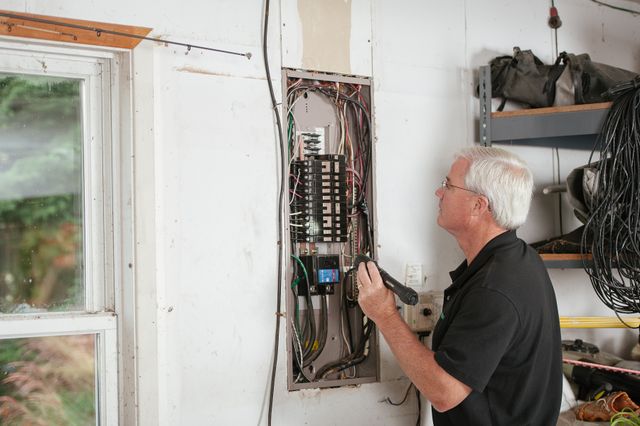
Certain properties in designated historic districts may also be subject to exterior alteration requirements. Confirm applicable preservation rules and permit needs before budgeting for renovations. An attractive purchase price can become less compelling when major repairs or specialized work are needed.
Established Residential Neighborhoods
Areas such as Westover, Arran Lakes, and Vanstory Hills provide examples of Fayetteville's established residential housing stock. Features vary by street and property, so compare floor plans, lot sizes, parking, and the age of major systems rather than treating these areas as interchangeable.
Mature landscaping and older construction can add maintenance responsibilities. Ask about roof age, HVAC performance, drainage, and any history of recurring repairs. Check competing rentals to see whether upgrades are likely to support higher rent or simply bring the home in line with nearby properties.
As the North Carolina Real Estate Commission explains, professional home inspections help buyers identify property defects and understand potential repair needs. A thorough inspection and realistic maintenance reserve are more useful than assuming an established neighborhood guarantees long tenancies.
Newer Developments and Subdivisions
Newer subdivisions around Fayetteville may offer contemporary layouts, energy-efficient equipment, attached garages, and community amenities. Those features can make a listing competitive, although newer construction does not eliminate repair costs or vacancies.
Some properties are governed by HOAs. Review rental restrictions, leasing rules, approval processes, dues, and maintenance responsibilities before making an offer. Also compare the number of similar homes being advertised nearby.

Numerous nearly identical listings may limit how much rent a property can command.
Nearby Communities to Compare
Fayetteville-area investors may also consider Hope Mills, Spring Lake, Raeford, Eastover, Stedman, and Wade. These communities vary in housing stock, commuting routes, local services, and property costs.
Hope Mills offers established neighborhoods and subdivisions south of Fayetteville, while Spring Lake provides access to the Fort Bragg area. Raeford offers another market to evaluate west of the city. Eastover, Stedman, and Wade include more spread-out properties where travel and service logistics deserve attention.
A lower purchase price outside Fayetteville does not automatically mean better cash flow. Compare local rental inventory, tax obligations, insurance, vendor access, and travel time for maintenance or showings. Each property's actual numbers should drive the decision.
What Landlords Should Evaluate Before Buying
Use the same framework when comparing properties across locations:
Rental demand: Study comparable listings, leasing activity, and competing inventory.
Purchase price and rent: Estimate achievable monthly income against the total acquisition cost.
Operating expenses: Include taxes, insurance, HOA dues, utilities paid by the owner, and management fees. The IRS provides additional guidance on rental property expenses and deductions.
Property condition: Account for inspections, immediate repairs, and major replacements.
Vacancy and turnover: Budget for time between leases, cleaning, marketing, and make-ready work.
Access and amenities: Consider major roads, employment centers, parking, and nearby services.
Rental regulations: Check zoning, HOA requirements, fair housing rules, and applicable lease protections.
Calculate cash flow using conservative assumptions.

A property that appears profitable with full occupancy and minimal repairs may perform very differently once realistic reserves are included.
Choose the Property, Not Just the Neighborhood
Neighborhood reputation can be a starting point, but it should never replace due diligence. Two houses a few blocks apart may have different repair needs, layouts, and rental competition.
Before committing, inspect the property, research comparable rents, verify restrictions, and estimate recurring expenses. Consider whether the home fits your available budget and the level of management involvement you can sustain. Consistent maintenance, accurate advertising, and responsive communication can help protect your investment regardless of location.
Bottom Line
The best Fayetteville neighborhood for a rental investment is one where the property's costs, features, and rental prospects align with your goals. Take time to assess individual homes instead of relying on rankings or broad assumptions.
Working with a professional property management company can help owners make informed decisions and protect their investments. Ace Property Management supports Fayetteville landlords with rental market analysis, property marketing, tenant screening, maintenance coordination, and financial reporting.
With local expertise and professional property management services, owners can better navigate the rental market and maximize their property's long-term potential.
Frequently Asked Questions
Is Buying a Rental Property Near Fort Bragg a Good Investment?
Proximity to Fort Bragg may support rental interest, but it does not guarantee profitability. Compare similar listings, assess commute routes, and budget for potential vacancies and turnover. If leasing to servicemembers, understand the circumstances in which federal law permits early lease termination.
Should I Invest in an Older Home Near Downtown Fayetteville?
An older home may offer appealing architectural features and access to downtown amenities. Have major systems inspected and estimate repair costs before buying. If the property is in a designated historic district, investigate restrictions on exterior changes. Make sure expected rent can support both routine upkeep and larger improvements.
How Can I Estimate Cash Flow in a Fayetteville Neighborhood?
Start with realistic rent based on comparable homes, not the highest advertised asking price. Subtract mortgage payments, taxes, insurance, maintenance, expected vacancy, HOA dues, and management expenses. Include reserves for major repairs. Compare several properties using the same assumptions so the numbers are meaningful.
How Can Fayetteville Landlords Reduce Rental Vacancies?
Price the property according to comparable listings, keep it well maintained, and advertise its features with accurate photographs and descriptions. Respond promptly to inquiries and use consistent, legally compliant screening criteria. Plan ahead for lease expirations so cleaning, repairs, and marketing do not create unnecessary delays.
What Should I Look for in a Fayetteville Property Management Company?
Look for clear fee structures, strong communication, and familiarity with the local rental market. Ask how the company prices properties, screens applicants, coordinates maintenance, handles lease compliance, and reports financial results. Ace Property Management provides full-service management and an owner portal to help landlords monitor their properties.

.jpg)